Data centers are net good
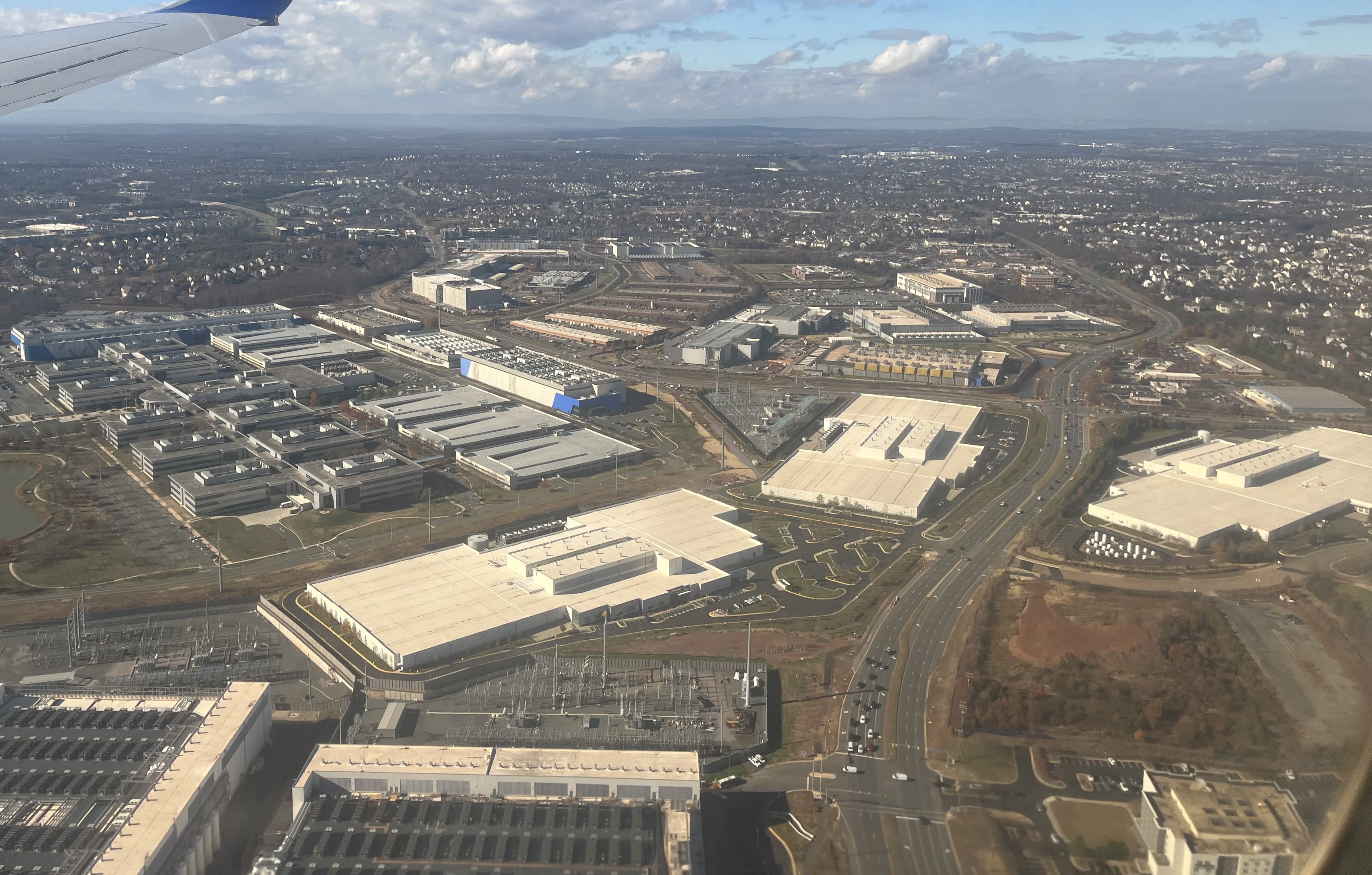
A data center is a building that runs search, maps, banks, and the models people now call AI. It uses power and water. It stresses local grids. It is still net good.
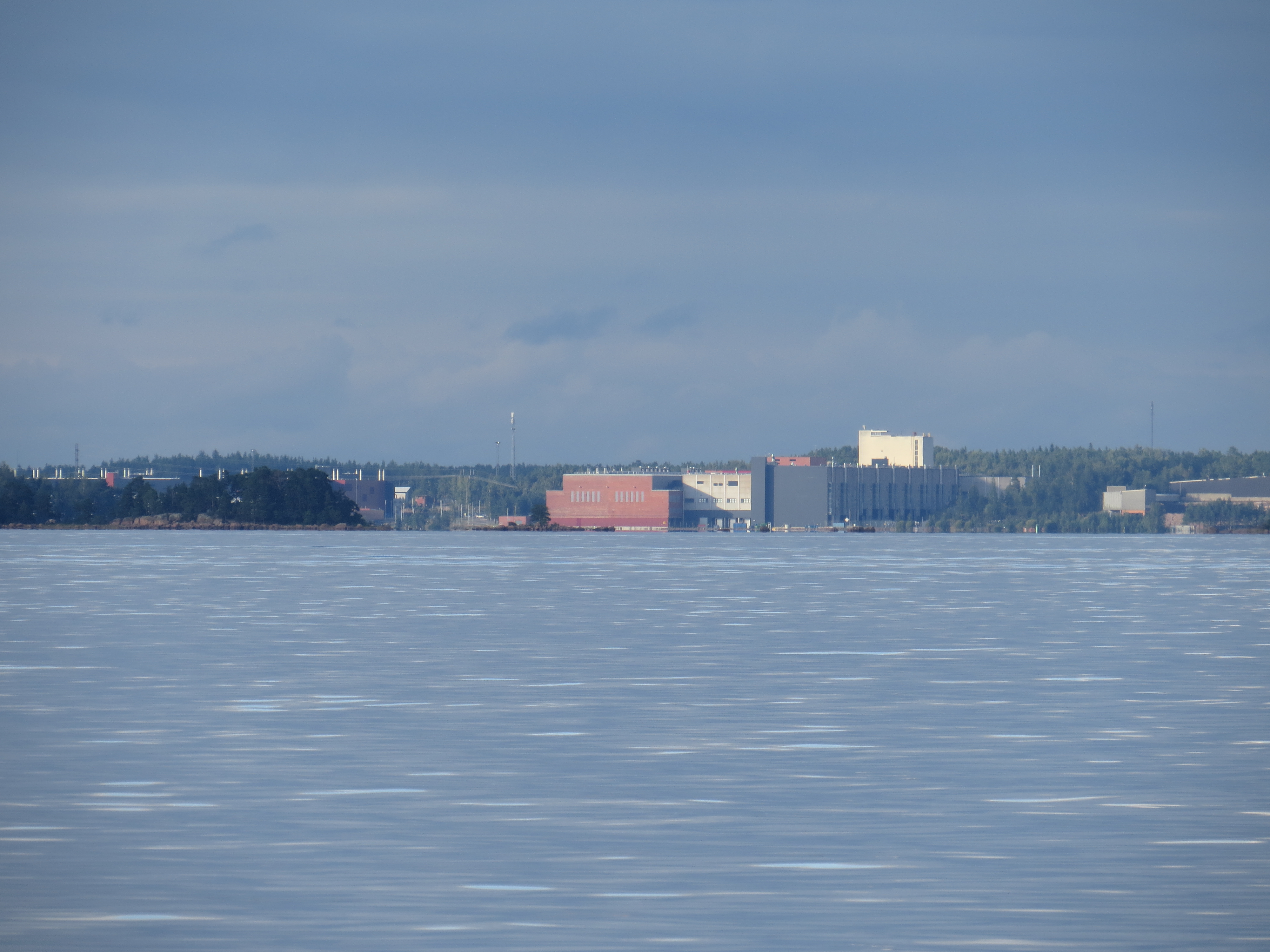
million gallons · Hamina, 2025
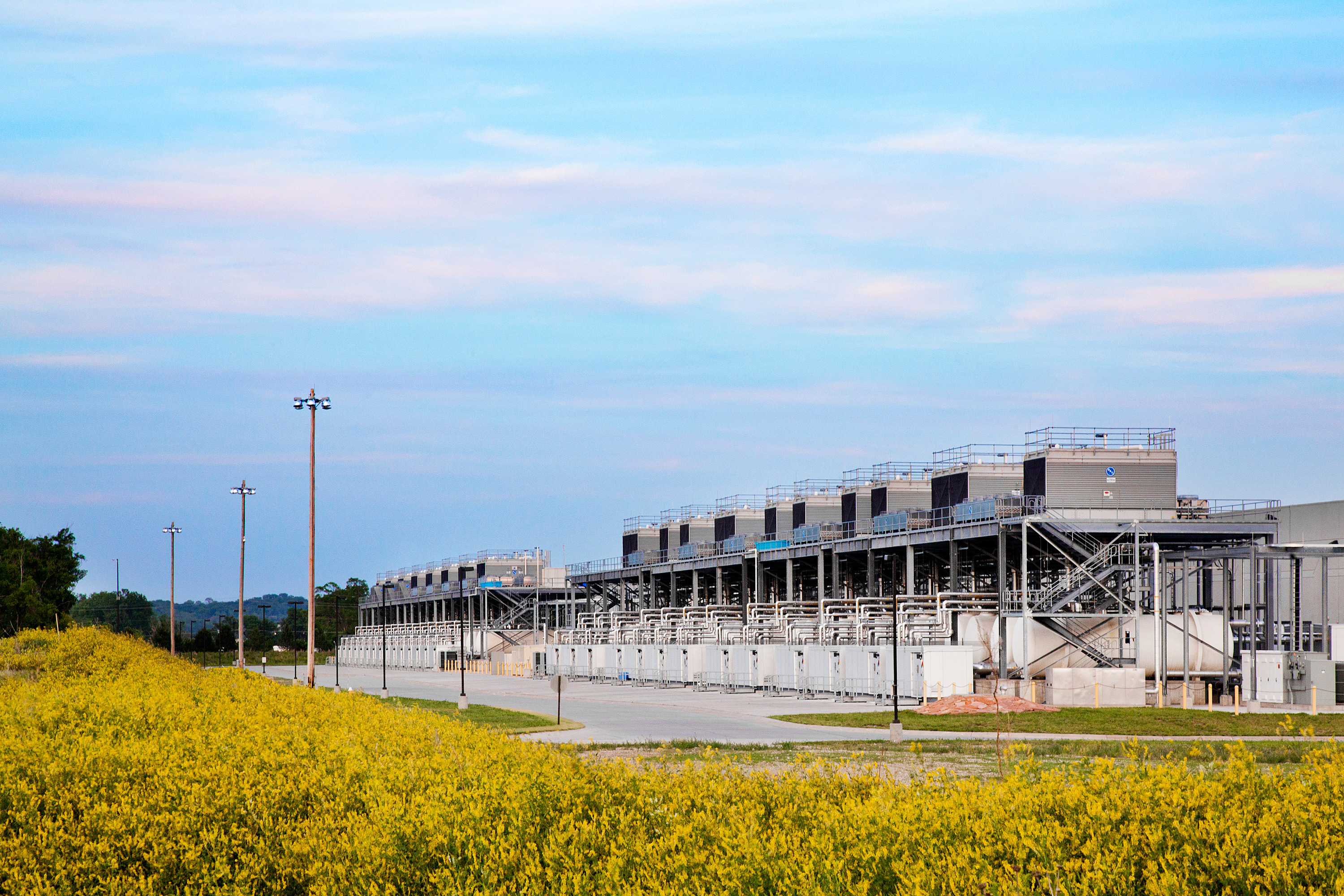
million gallons · Council Bluffs, 2025
Schedule of Water Use by Data Center Location, year ended 31 Dec 2025
Cooling
Cooling
The cooling is changing. Newest AI halls are not Iowa towers by default. Meta, 2026: a majority of newest AI-optimized halls use closed-loop water and glycol. The coolant is expected to last up to a decade.
Microsoft, Steve Solomon, 9 Dec 2024: chip-level closed loop, zero water evaporated for cooling. New designs from August 2024. Phoenix and Mt. Pleasant are pilots. The first Mount Pleasant building is operational as of Microsoft Source, 23 Jun 2026. That release does not say it runs the zero-water design. New Microsoft sites using this design from late 2027.
Amazon, AWS Summary for 2025, published July 2026: AWS global WUE 0.12 L/kWh, down 20% from 2024. Where weather permits, direct evaporative cooling uses water for less than 10% of the year. Configurable liquid-to-chip cooling is Amazon's line, without increasing water on a per-MW basis. IRHX is expected to cut water 9% versus evaporative air-cooled sites once fully operational. That 9% is an expectation, not a meter.
The existing fleet still mixes all of this. Council Bluffs 1,346 million gallons in 2025 is that mix.
Two sites, same company
In 2025 Google's Council Bluffs, Iowa campus consumed 1,346 million gallons of water, Hamina, Finland consumed 0.4 million gallons, and Alphabet's schedule excludes seawater returned to the sea.
Hamina sits on the Gulf of Finland. Council Bluffs runs cooling towers in Iowa. Cooling and siting decide the water, not the existence of the building.
Water
What about the water?
Li, Yang, Islam, and Ren, in Making AI Less Thirsty, project 4.2 to 6.6 billion cubic meters of water withdrawal in 2027 for global AI, on-site plus power-plant water, more than 4 to 6 Denmarks. Converted, that is about 1,110 to 1,740 billion gallons. The same paper, same method, puts consumption at 0.38 to 0.60 billion cubic meters, about 100 to 159 billion gallons. Those are estimates.
They also estimated about 500 ml for 10 to 50 medium-length GPT-3 replies. That is a 2023 inference estimate, not a meter on every 2026 query.
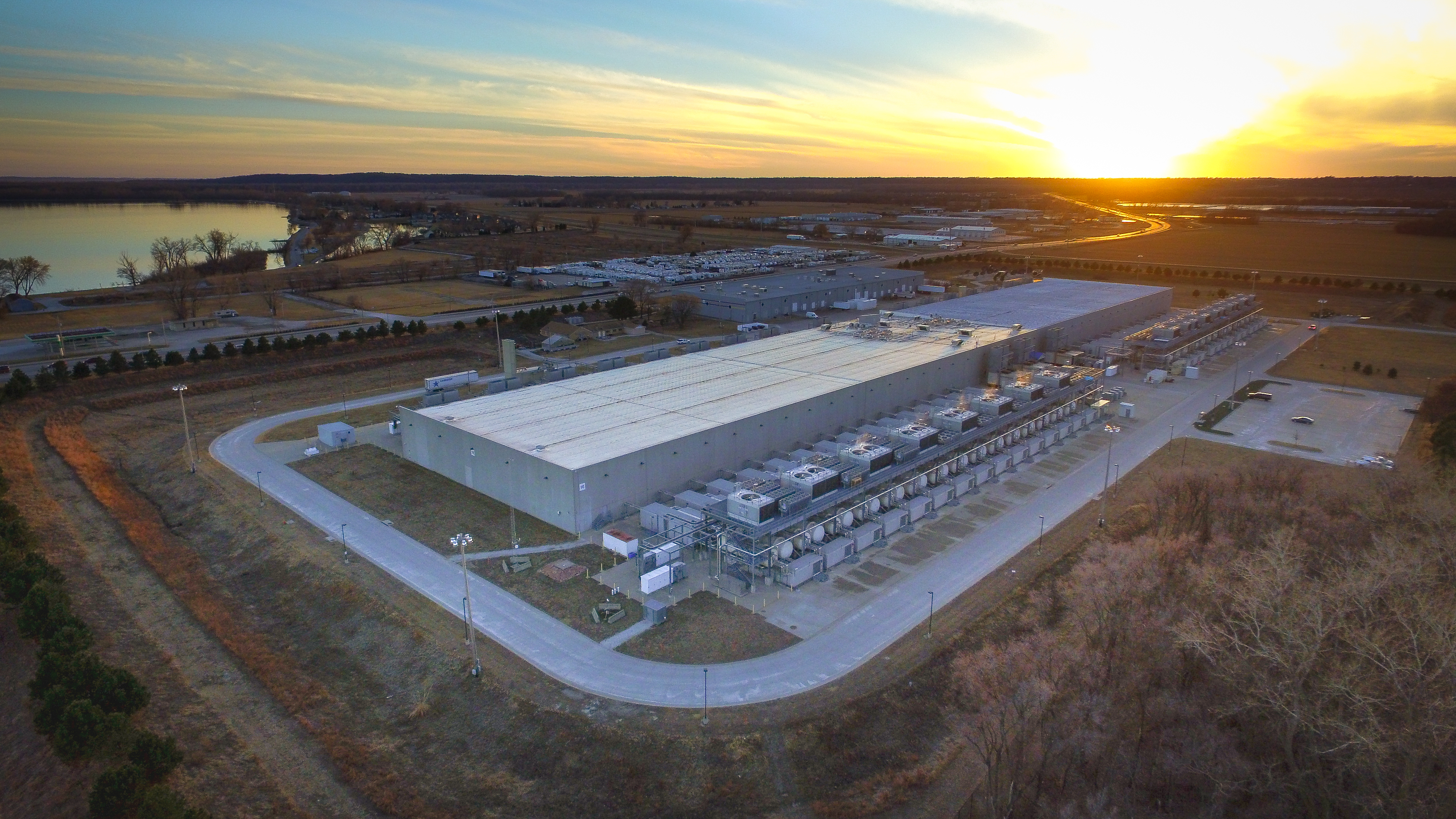
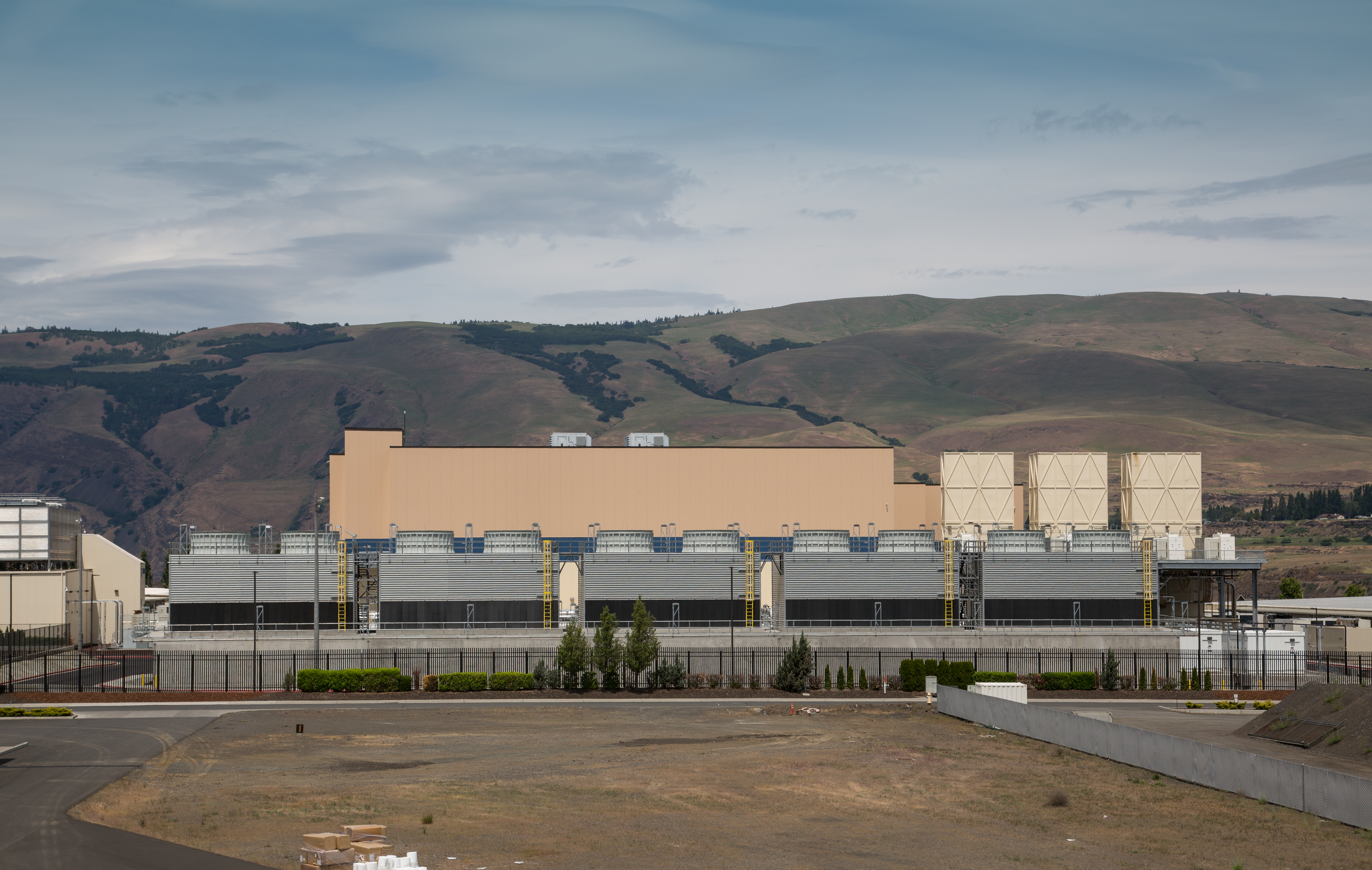
USGS 2015, Fact Sheet 2018-3035: US irrigation withdrew 118 billion gallons a day, about 43,070 billion gallons that year, and consumed 73.2 billion gallons a day, about 26,718 billion gallons that year. Google's fleet consumed 10,523 million gallons in 2025. The Dalles consumed 469 million gallons in 2025.
43,070 billion gallons
USGS 2015 US irrigation withdrawal
26,718 billion gallons
USGS 2015 US irrigation consumption
1,110 to 1,740 billion gallons
Li 2027 global AI withdrawal, estimate
100 to 159 billion gallons
Li 2027 global AI consumption, estimate
10,523 million gallons (10.5 billion)
Google fleet consumption, 2025
469 million gallons
The Dalles campus, 2025
Power
What about the power?
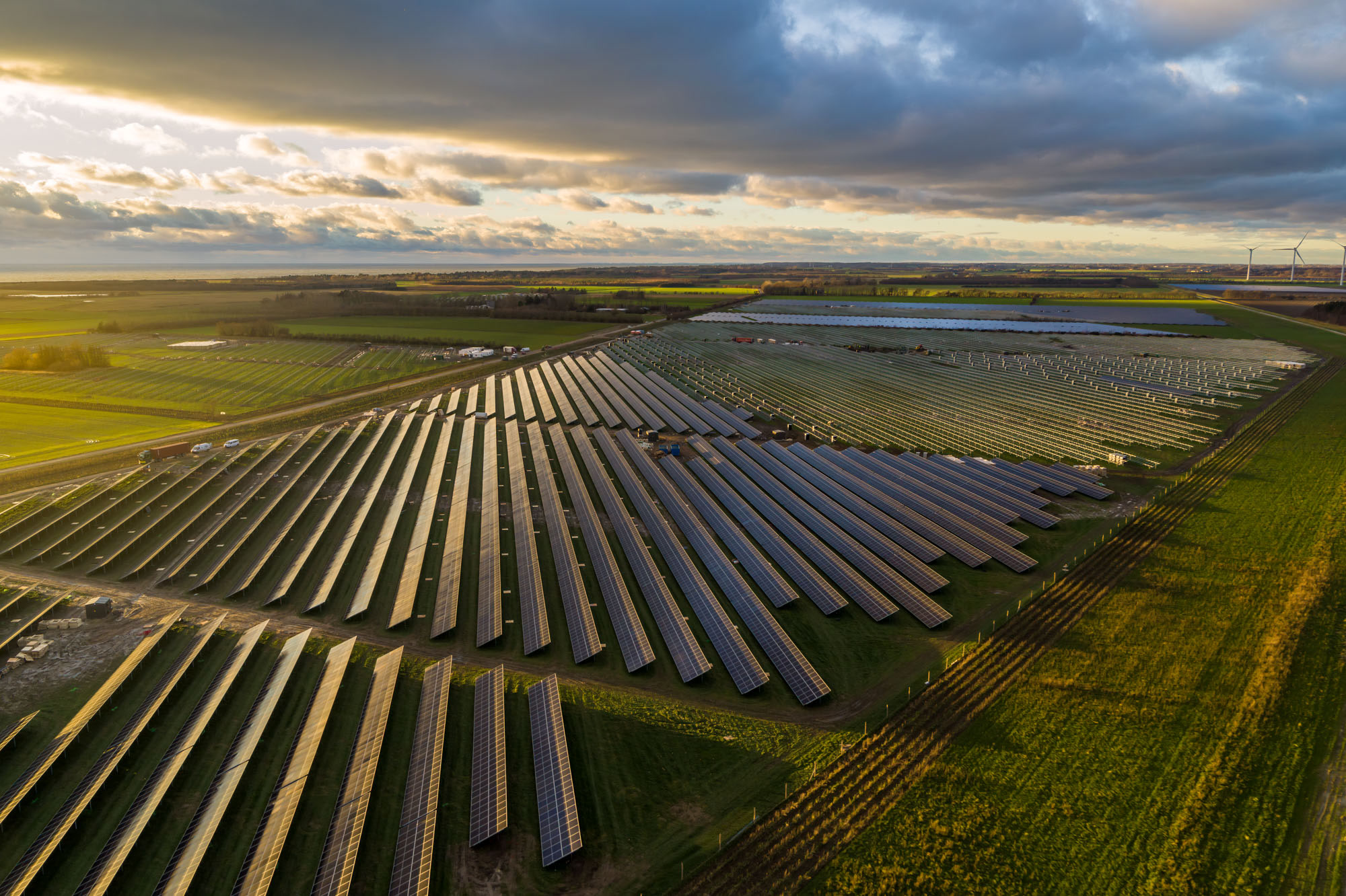
In 2024, electricity consumption from data centers amounted to 415 terawatt hours (TWh), or about 1.5% of world electricity. The US was 45% of that. Nearly half of US capacity sits in five clusters.
Shehabi et al., LBNL-2001637, December 2024: US data centers used 176 TWh in 2023, 4.4% of US electricity. The 2028 range is 325 to 580 TWh, 6.7% to 12.0% of forecast US electricity.
The IEA's 2026 update puts the world at 485 TWh in 2025 and about 950 TWh by 2030, around 3% of world electricity. Electricity consumption from AI-focused data centers grew 50% in 2025. Real, concentrated, not “AI eats the grid.”
In the 2025 IEA report, data centers were about one-tenth of global electricity demand growth to 2030, behind industrial motors, air conditioning, and electric vehicles.
Energy per simple AI task fell by at least an order of magnitude a year. A simple text query now typically uses less electricity than a television running for the same time. If every conventional search ran as a simple AI text query, that would be under 4 TWh a year, less than 1% of data center electricity today. Video, reasoning, and agentic tasks can use hundreds or thousands of times more energy per query.
Bills
What about local bills?
Virginia created class GS-5 for 25 MW and up. Virginia SCC, PUR-2025-00058, 25 Nov 2025, in force 1 Jan 2027: at least 85% of contracted transmission and distribution demand, 60% of generation. The tariff is built to keep upgrade costs on the operators.
- Who
- 25 MW and up
- Transmission and distribution demand
- at least 85% contracted
- Generation
- 60%
The Commission cut Dominion from $822 million to $565.7 million in 2026 and from $345 million to $209.9 million in 2027. The $11.24 figure is the 2026 base-rate hike on a typical 1,000 kWh bill. GS-5 had not started. Dominion's line is inflation and equipment.
The objection that survives is future grid build on households in a state with no GS-5.
Heat
What about the heat?
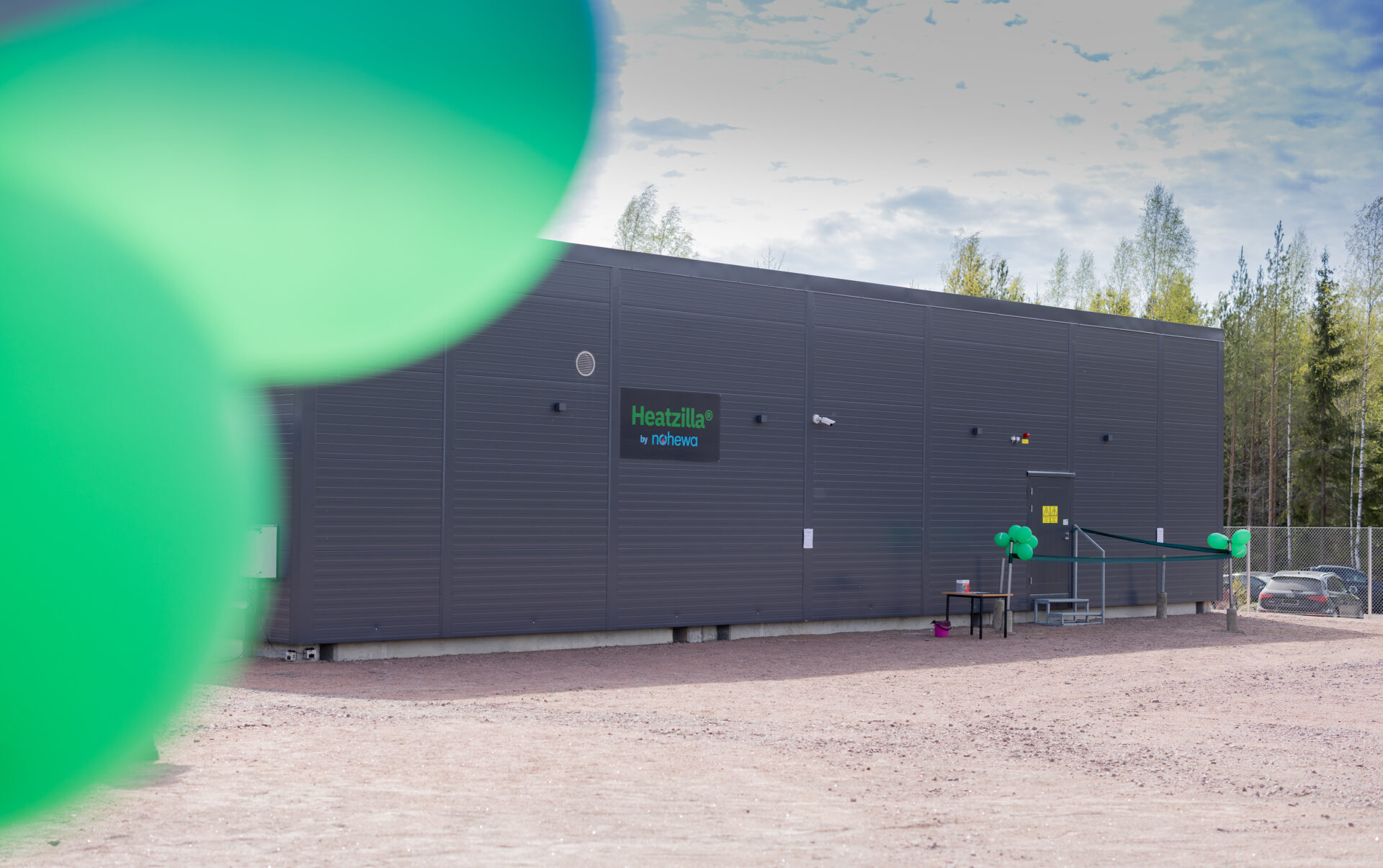
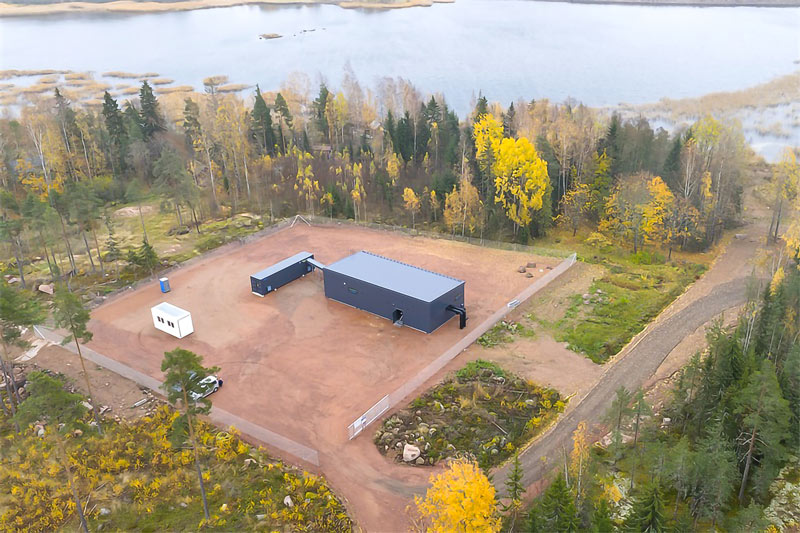
Google and Haminan Energia, 20 May 2024: recovered heat into the town network, free except €1 + VAT. Haminan Energia said then it would cover 80% of annual district demand. The plant was inaugurated in May 2026. There is no measured 2026 operating share on this page. What is true: the same building can heat houses.
Links
Opinion is not a source for numbers. Receipts are the documents already cited above. The same two lists live on the sources page.